British Retail Consortium Global Standards
Achieve Global Trust and Quality with BRCGS Certification!
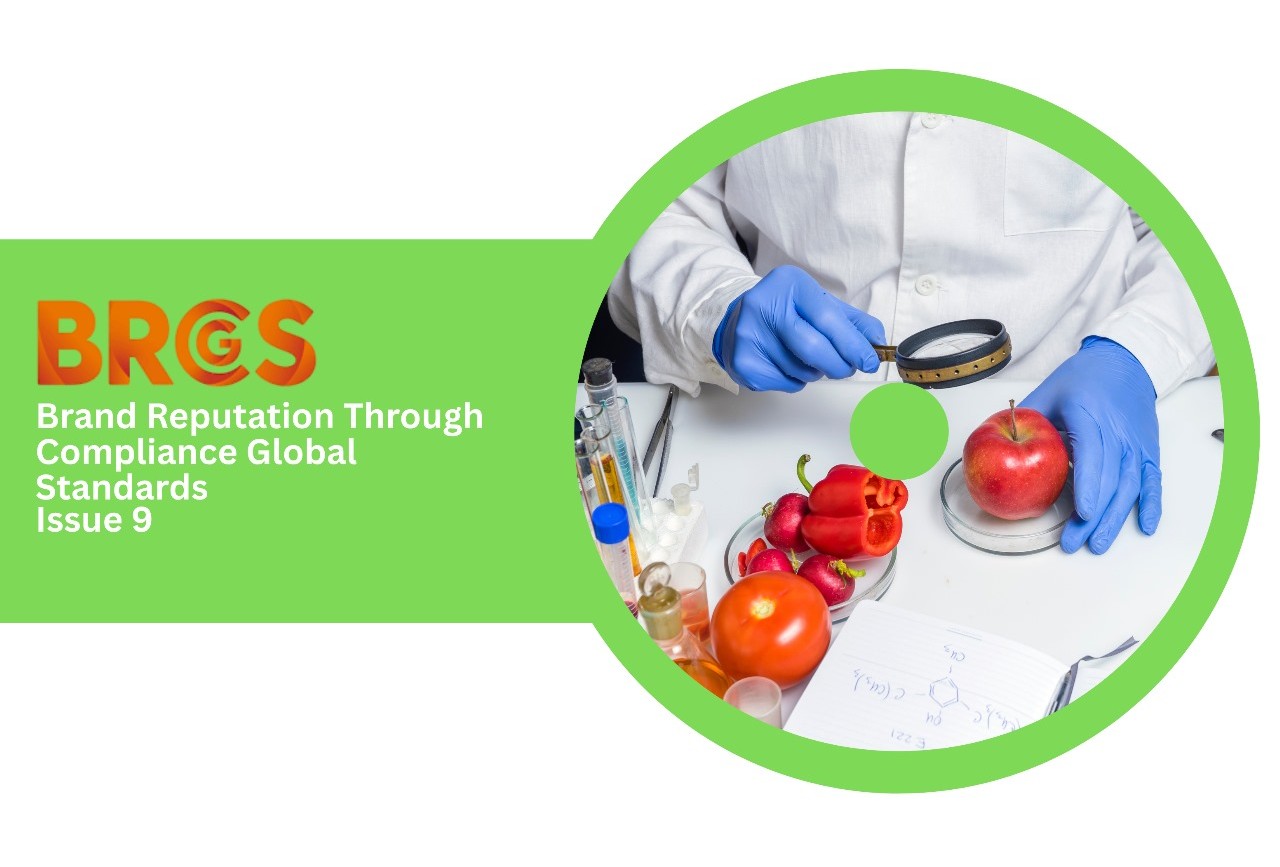
BRCGS (British Retail Consortium Global Norms) is a group of internationally honored norms designed to estimate food safety, product quality, packaging integrity, storehouse practices, and supplier management. The most extensively enforced standard is the BRCGS Global Standard for Food Safety, which provides detailed criteria for product area management, outfit conservation, hygiene practices, hazard operation, and product integrity. Other specialized BRCGS norms include Packaging Accessories, Storehouse and Distribution, Agents and Brokers, Consumer Products, and Gluten-Free instrument. Each standard is maintained by BRCGS, which works closely with retailers, manufacturers, and instrument bodies to ensure alignment with nonsupervisory prospects.
BRCGS delegation is a prerequisite for numerous foreign retailers and brand possessors.
Proved controls ameliorate examination ways and lower the threat of impurity.
Procedures grease adherence to public and transnational food regulations.
Product lines operate predictably thanks to established procedures.
Quick identification and shadowing of raw accoutrements and completed goods are made possible.
Certification is a statement of dependability, self-control, and dedication to safety.
Approved supplier programs enhance raw material control and lower uncertainty.
Early danger discovery and control help avoid costly market problems.
Awareness and training programs promote accountability at all levels.
BRCGS certification enables easier access to exporters, retailers, and major brands.
Applies hygiene norms, examines products, and corroborates labeling.
Controls temperature, sanitation, and cross-contamination pitfalls.
Oversees pasteurization, storehouse, and outfit cleaning.
Validates water quality, packaging integrity, and bottling hygiene.
Manages allergens, drawing schedules, and raw-material specifications.
Maintains cold-chain controls and foreign-material inspections.
Tests food-contact accoutrements and environmental controls.
Ensures proper running, pallet hygiene, and transport conditions.
Uses BRCGS to meet UK and EU retailer specifications.
Apply simplified attestation and monitoring suited to scale.
The BRCGS instrument brings clear structure to diurnal conditioning. Employees know how to perform tasks safely and how to report concerns. Inspection logs, temperature checks, and cleaning records demonstrate control throughout production. Internal audits reveal areas needing improvement before external audits occur. Directors calculate based on measured data rather than guesswork. Cross-department collaboration becomes easier across procurement, production, and quality teams. Training programs ensure new workers understand their liabilities from the launch. Over time, food safety and quality become part of everyday practice.
A: No. It is voluntary, but many international retailers and food brands require it.
A: Yes. The standard can be applied to companies of any size.
A: Procedures, HACCP plans, cleaning schedules, training records, traceability logs, and testing results.
A: Certification audits usually occur annually, sometimes unannounced.
A: Leadership establishes policy, provides resources, and reviews performance.
BRCGS certification offers a comprehensive method for managing product safety, quality, and operational consistency. It helps organizations comply with global requirements, gain customer trust, and improve overall performance. When applied correctly, the standard strengthens relationships with retailers and provides access to high-value markets. BRCGS is more than a certificate; it is a practical system that connects planning, control, verification, and improvement. Through this approach, organizations can deliver safe, high-quality products that meet international expectations.
Quality Management System :
Unlock Quality Excellence with ISO 9001:2015“ Your Path to Superior Management!
Environmental Management System :
Build a Greener Tomorrow with ISO 14001:2015“ Your Guide to
Sustainable Success!
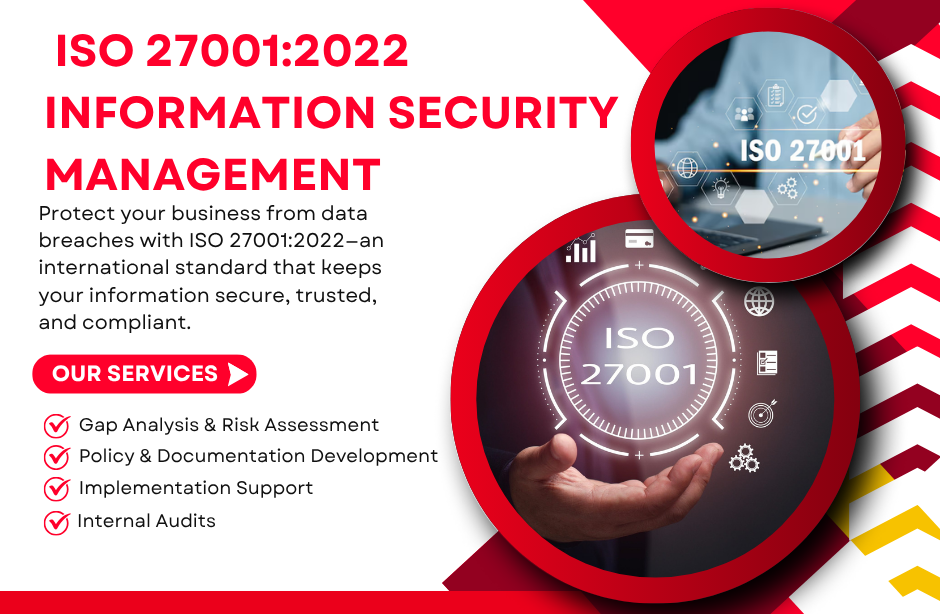
Information Security Management System (ISMS)
Secure Your Information, Secure Your Future with ISO 27001:2022!
Get in touch with our expert consultants to begin your journey to compliance and operational excellence.
Request Consultation