GOTS Certification (Global Organic Textile Standard)
Transform Your Textiles with GOTS Certification – For a Sustainable Future!
GOTS (Global Organic Textile Standard) is a globally recognized standard for textiles made from organic fibers. It defines requirements across the entire supply chain, from harvesting of certified organic raw materials to environmentally and socially responsible manufacturing. The standard covers chemical restrictions, wastewater treatment, worker welfare, labeling requirements, and full traceability. GOTS is managed by the Global Organic Textile Standard International Working Group, consisting of international organizations specializing in organic production and textile safety. Its requirements apply to all processing stages including spinning, knitting, dyeing, printing, finishing, packaging, and distribution.
Products contain certified organic fibers supported by documented proof.
Strict limits on dyes, auxiliaries, and finishing chemicals protect workers and consumers.
Proper wastewater treatment and responsible use of resources are required.
Social criteria ensure fair wages, safe workplaces, and ethical labor practices.
GOTS is widely trusted by international retailers and buyers.
Every stage of the supply chain is documented and independently verified.
Controlled processes lead to stable and predictable results.
Consumers trust that products meet genuine organic standards.
Facilitates entry into regulated and high-value international markets.
Annual compliance audits encourage ongoing performance enhancement.
Maintain separation of organic fibers and record each production batch.
Use approved dyes and treat wastewater before discharge.
Maintain product and chemical records throughout processing.
Ensure safe working conditions and controlled finishing processes.
Certify organic bed linen, towels, curtains, and table textiles.
Use GOTS labeling to meet European and North American retailer requirements.
Restrict inks, adhesives, and accessories used with organic products.
Apply simplified documentation with approved raw material controls.
The GOTS system introduces structure and discipline into everyday operations. Employees understand how to handle organic materials, which chemicals are permitted, and how to maintain records correctly. Product logs, chemical lists, and supplier certifications provide evidence of control at each stage. Internal reviews and inspections identify gaps before certification audits occur. Management relies on documented data for planning and decision-making. Over time, organizations develop an operational culture centered on responsible production, transparency, safety, and compliance.
A: No. It is voluntary, but most international buyers require or strongly prefer it for organic textiles.
A: Yes. The requirements are scalable based on the size and complexity of operations.
A: Chemical records, supplier certificates, traceability logs, and audit reports.
A: Certification bodies perform on-site audits once each year.
A: Management ensures compliance with environmental and social criteria, provides resources, and reviews system performance.
GOTS certification provides a transparent and comprehensive approach to verifying organic integrity and responsible textile production. It supports legal compliance, market access, and long-term customer confidence. When implemented effectively, it strengthens trust between brands, manufacturers, and consumers. A GOTS-compliant system is more than documentation; it is a disciplined way of working that integrates environmental care, fair labor practices, and reliable product quality. This approach reflects a commitment to producing textiles that are ethical, safe, and responsibly made.
Quality Management System :
Unlock Quality Excellence with ISO 9001:2015“ Your Path to Superior Management!
Environmental Management System :
Build a Greener Tomorrow with ISO 14001:2015“ Your Guide to
Sustainable Success!
Information Security Management System (ISMS)
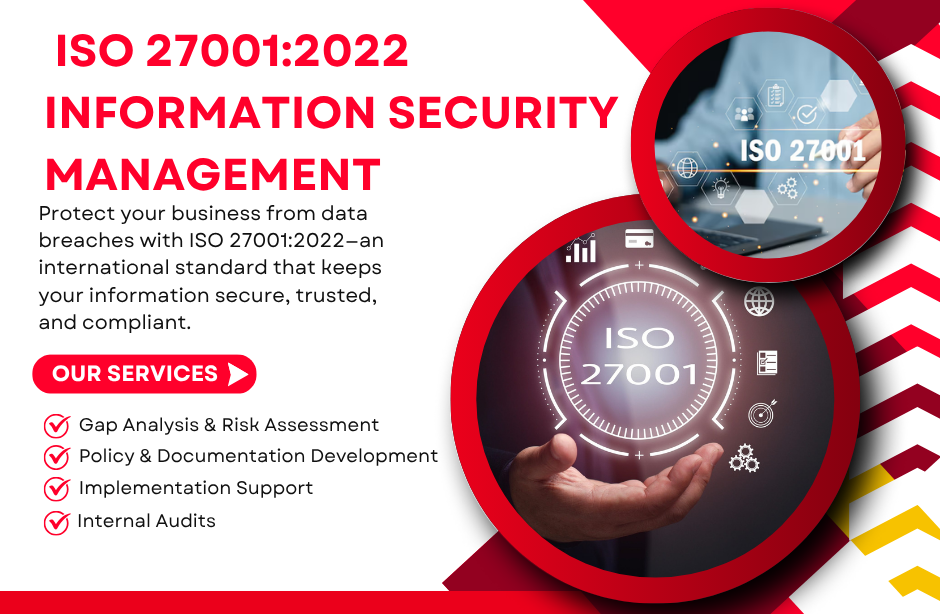
Secure Your Information, Secure Your Future with ISO 27001:2022!
Get in touch with our expert consultants to begin your journey to compliance and operational excellence.
Request Consultation